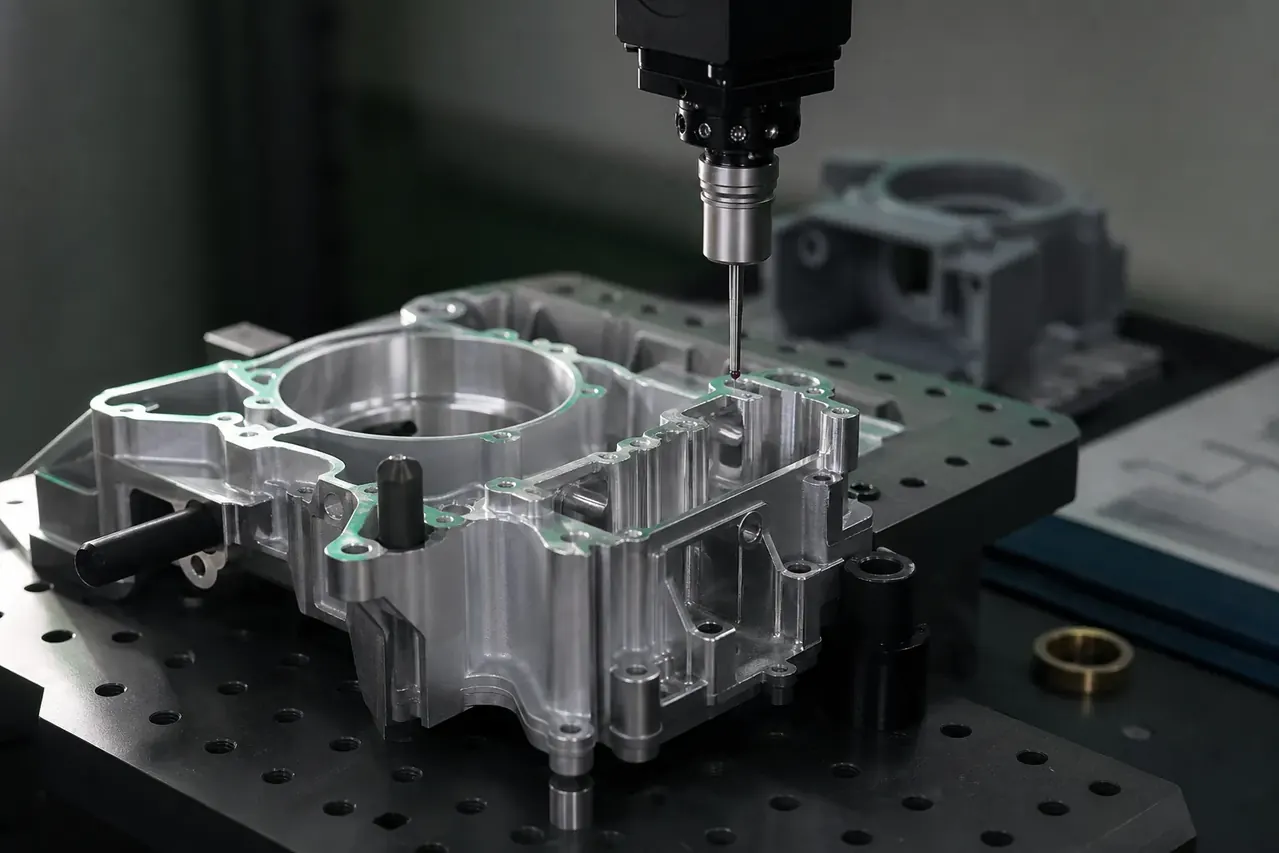
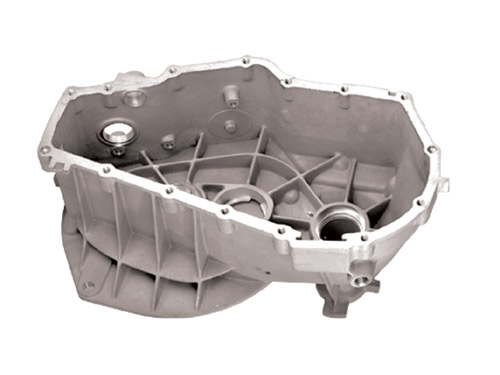
Conceptual dimensional inspection of a machined prototype on a metrology table
PROCESS CONCEPT — NOT A FACILITY OR CUSTOMER INSTALLATION

MANUFACTURING PATH 01

Prototyping

Choose the prototype around what the team needs to learn next.
REVIEW THE PATH
STARTING DECISION

What uncertainty must the prototype remove?

  • Geometry, fit, motion, and interfaces
  • Material, appearance, and process behavior
  • Test plan and acceptance criteria
  • Quantity, timing, budget, and production intent
PATH FAMILYPrototypingPRIMARY INPUTDrawing + requirementsQUOTE FOCUSDelivered component scopeFinal fit depends on the actual geometry, material, volume, tooling, secondary operations, test, timing, and proposed manufacturing resource.
PROCESS FIT BEFORE PIECE PRICE

Make the manufacturing question explicit before routing the RFQ.

A useful prototype is not simply an early part. It should answer a defined question about fit, function, appearance, material behavior, assembly, test, tooling, or the intended production path.

Lupton helps organize the open questions so the proposed manufacturing resource can confirm process, capability, tooling, quality evidence, pricing, and lead time against the actual program.

01

Define the part

Start with geometry, material, interfaces, performance, volume, and timing.

02

Compare the path

Compare tooling, piece economics, secondary operations, change risk, and delivered scope.

03

Confirm the resource

Verify the facility, equipment, quality plan, capacity, test method, and responsible team.

CAPABILITY & RFQ SCOPE

Keep the process and delivered-part scope together.

Each card remains a starting point. The drawing and program requirements determine the actual manufacturing fit.

01

Design & appearance models

Use early parts to review geometry, handling, fit, and visual intent before production tooling.

  • Additive and stereolithography routes
  • Cast urethane and fabricated plastic models
  • Thermoformed or vacuum-formed parts
  • Documented revision and acceptance targets
02

Metal prototype routes

Select a route that preserves the material, geometry, and learning objective without assuming production tooling.

  • CNC machining and turning
  • Sheet-metal fabrication and short run metal stamping
  • Plaster, graphite, or air-set sand casting review
  • Aluminum or polymer extrusion review
03

Production-like bridge quantities

Use bridge parts when the program needs functional learning or early quantity before full production capital.

  • Injection or reaction-injection molding review
  • Thixomolding and metal conversion review
  • PC-board and box-build assembly, including custom cable assemblies
  • Production-process, inspection, and change plan
RESOURCE & QUALITY GATE

Confirm the proposed resource and evidence before award.

Legacy equipment, certification, capacity, tolerance, savings, product-performance, and service-life claims are not treated as blanket Lupton capabilities. Verify them against the product and manufacturing resource actually quoted.

Verify before selection

01Proposed product, manufacturing resource, and responsible technical contact
02Current configuration, materials, interfaces, and operating limits
03Critical dimensions, functional acceptance criteria, and inspection plan
04Required testing, records, certifications, and traceability
05Secondary operations, packaging, installation, and service considerations
06Availability, release quantity, program timing, and change-control plan
MAKE THE RFQ EASIER TO ROUTE

Send the drawing and the requirements that change the manufacturing path.

Unknowns are acceptable. Label them so the next technical review resolves them instead of burying assumptions in a quote.

Helpful starting information

01Prototype purpose and the decision it must support
02Current drawing, model, revision, and known interfaces
03Target material and acceptable prototype substitutions
04Quantity, delivery sequence, and required date
05Dimensions, appearance, function, and test criteria
06Intended production process, volume, and unresolved risks

WANT TO DISCUSS THE PROJECT?

Review the part, open process questions, volume, tooling, timing, and current sourcing issue.

BOOK TIME WITH OUR TEAM

NOT SURE WHICH PATH FITS?

Start with the part and the requirement—not a process guess.

Lupton can help organize the drawing, material, volume, performance, timing, and open questions before the RFQ gets messy.