Define the part
Start with geometry, material, interfaces, performance, volume, and timing.

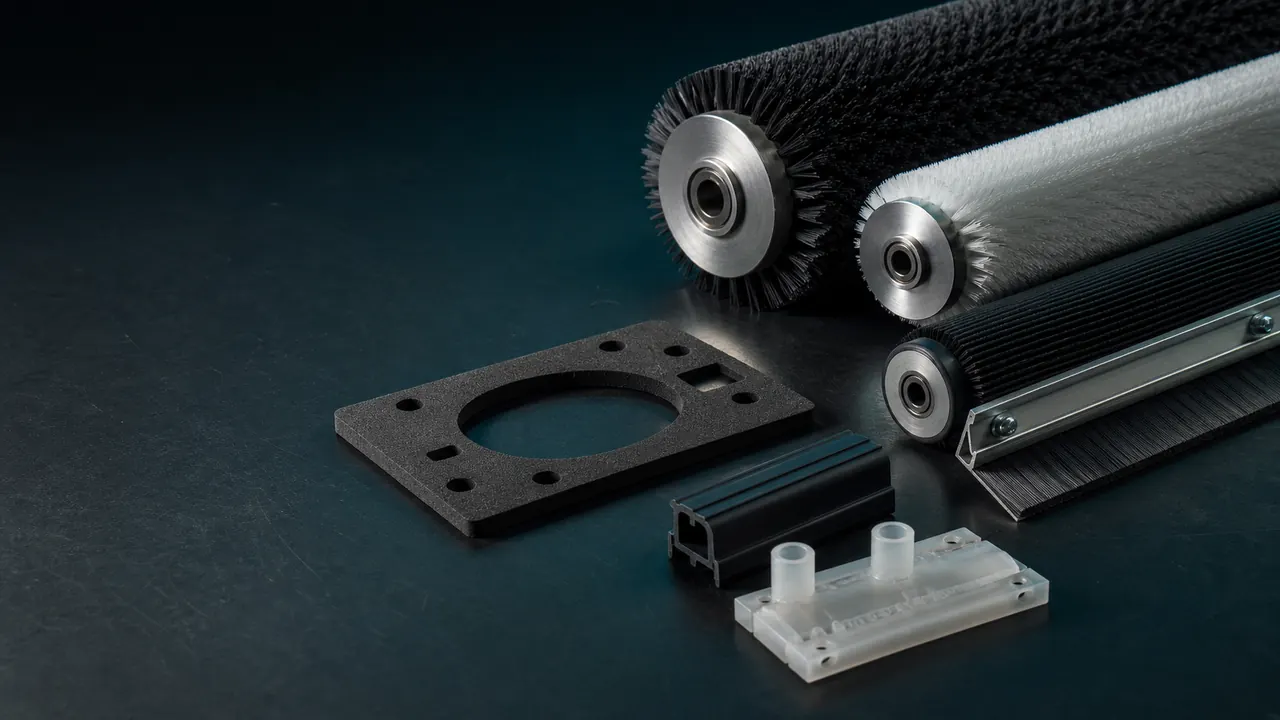
MANUFACTURING PATH 06.2
Brushes, rollers, gaskets, extrusions, and welded assemblies can look simple while carrying demanding contact, sealing, static-control, contamination, wear, and integration requirements.
Lupton helps organize the open questions so the proposed manufacturing resource can confirm process, capability, tooling, quality evidence, pricing, and lead time against the actual program.
Start with geometry, material, interfaces, performance, volume, and timing.
Compare tooling, piece economics, secondary operations, change risk, and delivered scope.
Verify the facility, equipment, quality plan, capacity, test method, and responsible team.
Each card remains a starting point. The drawing and program requirements determine the actual manufacturing fit.
Define the media path, contact, debris, electrical behavior, and allowable wear.
Review the gap and environment as a system rather than specifying material alone.
Include joining, inserted hardware, and functional testing in the delivered-part scope.
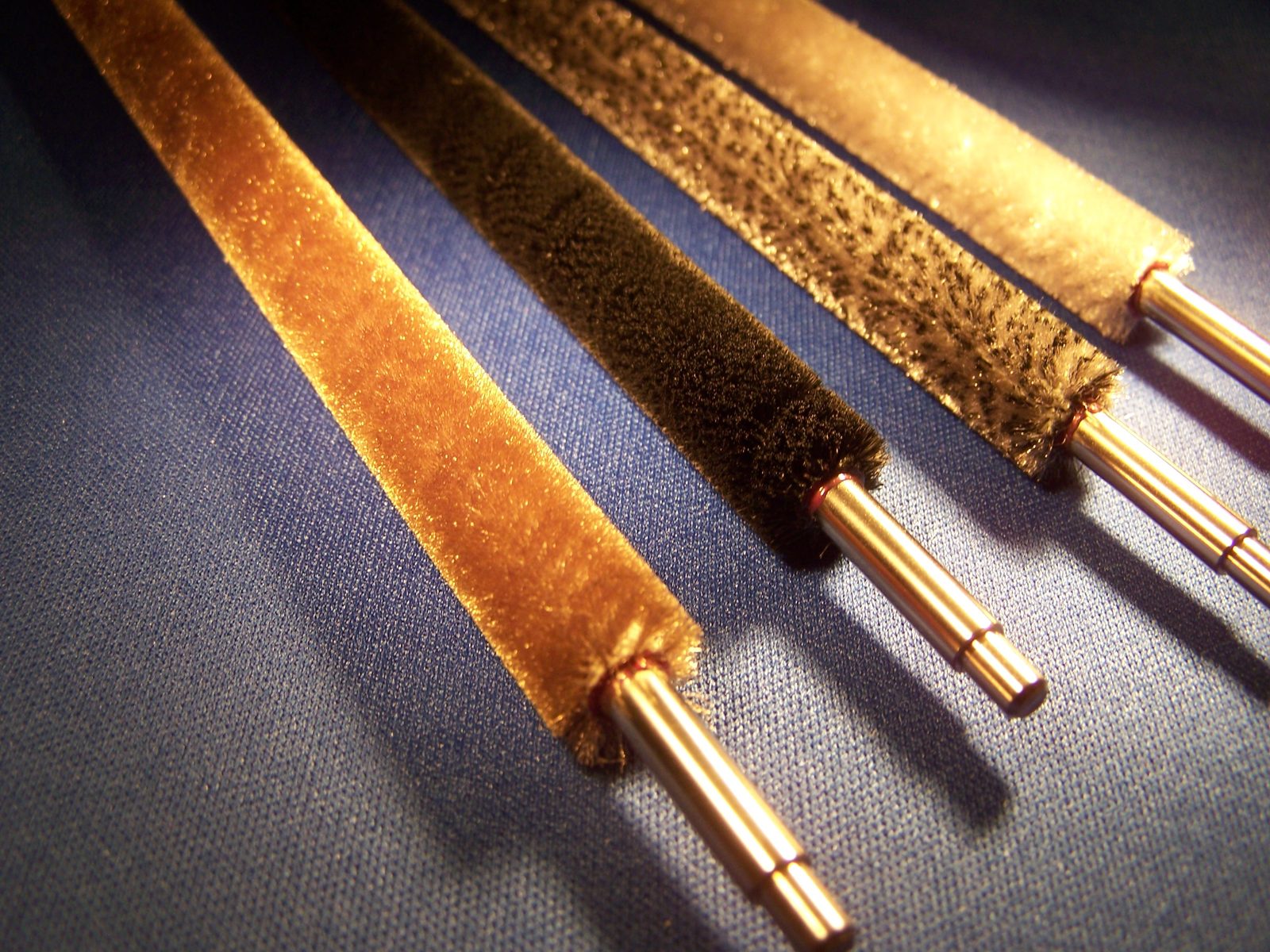
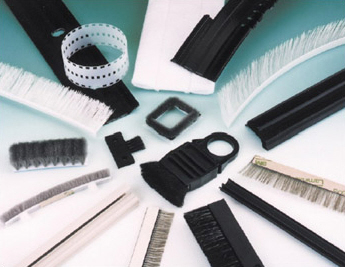
Published photography is preserved where available. Concept visuals appear only on routes with a verified photography gap and are labeled accordingly.
Legacy equipment, certification, capacity, tolerance, savings, product-performance, and service-life claims are not treated as blanket Lupton capabilities. Verify them against the product and manufacturing resource actually quoted.
WANT TO DISCUSS THE PROJECT?