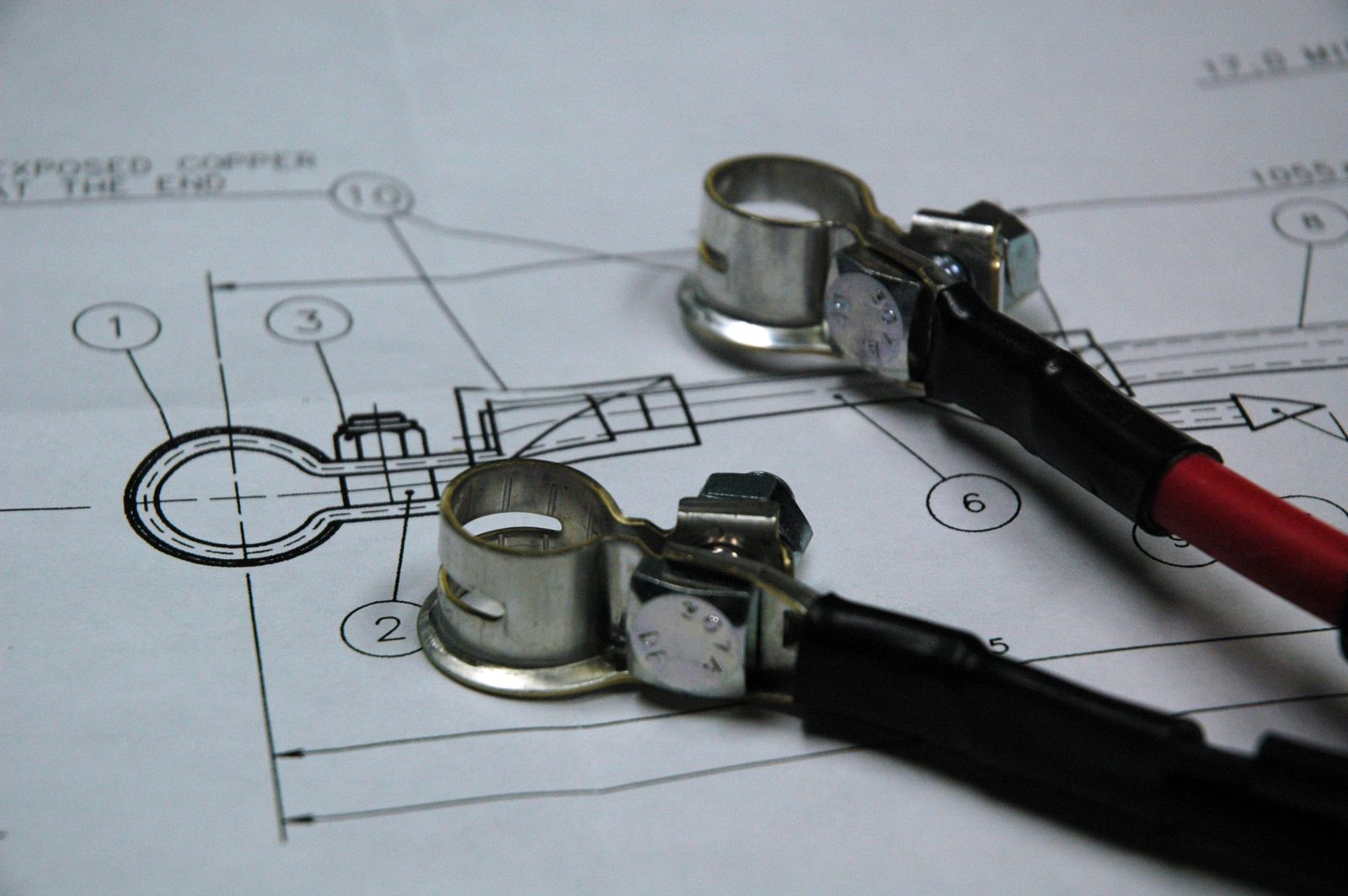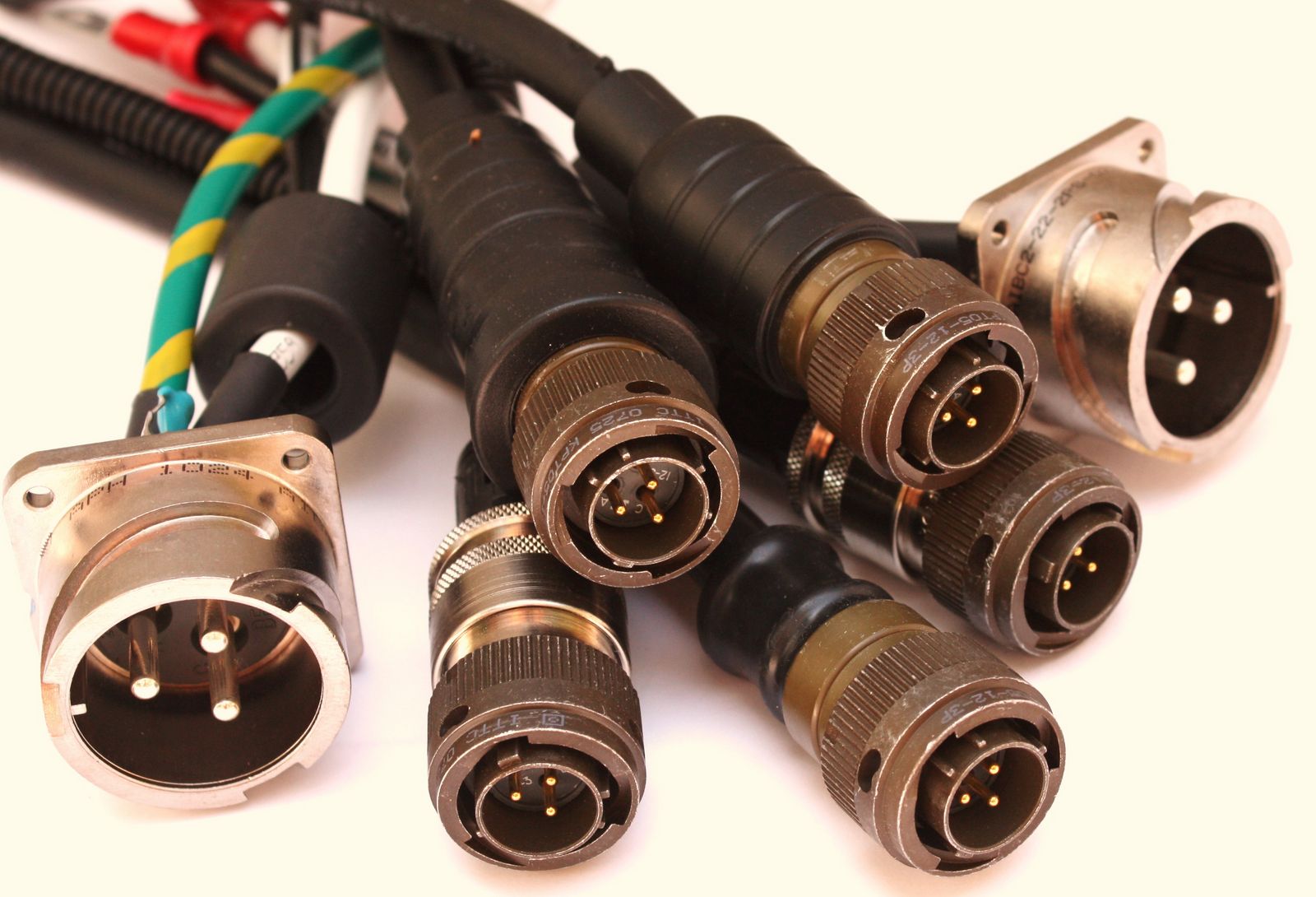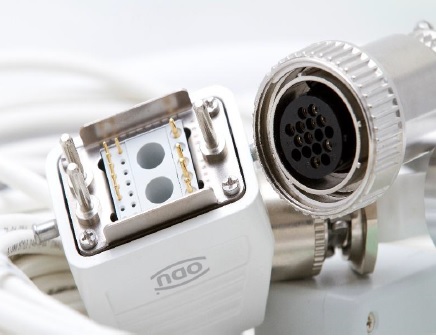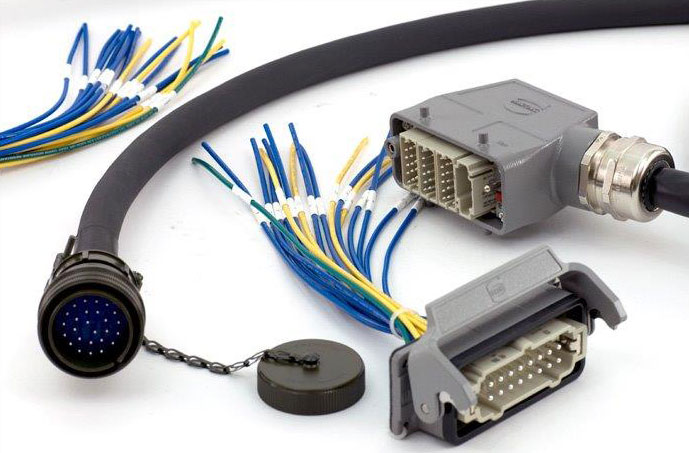



If you have a print for a cable assembly or wire harness – a 24 AWG multi-conductor harness, a molded assembly, or a heavy power cable up to 4/0 – send it over. Lupton reviews your drawings, BOM, connector callouts, and annual volumes and helps you determine the right way to build it. Programs often start with a single part number and grow into kitted sub-assemblies or box builds.
Build-to-print and low-volume programs
Lupton reviews build-to-print programs from prototypes through low-volume builds and production, using customer drawings and BOMs. There is no minimum program size for Lupton program review; factory minimum order quantities are confirmed for the selected source and build requirements.
What Lupton can review
- Cable and harness drawings, wire lists, and from/to tables
- BOMs with connector, wire, and termination callouts, including hard-to-source or second-source components
- Overmold and strain relief requirements on molded cable assemblies
- Test requirements – continuity, hipot, pull test, or customer-specified
- Electromechanical assembly scope: box builds, fan trays, power supply integration, DIN rail assemblies
- Volume, kanban/JIT, kitting, and inventory expectations for the life of the program
- RoHS and compliance callouts on the print
Common fit / applications
- Power cables, signal and data harnesses, overmolded assemblies, and box-build subassemblies
- Industrial equipment, instrumentation, and OEM electronics applications
- Programs where a second source or a manufacturability review could lower cost or NRE
Quality and certification requirements
Available manufacturing sources include ISO 9001:2015-certified operations and UL 764 wire-harness capabilities. Certification scope and applicability are confirmed for the selected manufacturing site and program.
What to include with an RFQ
Drawing or print (PDF is fine; native CAD helps)
BOM or wire list with connector part numbers
Annual volume and typical release quantity
Any test, labeling, or packaging requirements
Target date or program timeline
If you don't have a complete print, send what you have – a sample, a sketch, or a competitor part number is enough to start.
Have a harness or cable assembly to quote? Upload your drawings, BOM, annual volume, and due date through the RFQ form, or call (585) 393-4999. We'll review the package and come back – usually with a short list of clarifying questions, not a form letter.
Frequently Asked Questions
What volumes do you support?
Lupton reviews prototype, pilot, low-volume and production programs. There is no minimum program size for Lupton program review; manufacturing minimum order quantities depend on the selected source, components and build requirements.
What do I need to send for a quote?
Send drawings or a sample, a BOM or wire list with connector part numbers, annual volume, release quantities and required timing. Include test, labeling, packaging and compliance requirements, flag obsolete or long-lead components for second-source review, and identify any associated electromechanical or box-build scope.
Cable assembly vs. wire harness, which do I need?
A cable assembly typically combines conductors within a protective jacket and terminates them with connectors. A wire harness organizes wires and branches to connect components within a larger system. Send the routing, environment and connection requirements so the appropriate construction can be reviewed.
Can you build to my existing drawings?
Yes. Lupton reviews build-to-print programs using your existing drawings, BOM, wire lists and test requirements, then matches the program to an appropriate manufacturing source. If documentation is incomplete, send a sample or sketch and expected volume so missing details and any reverse-documentation needs can be reviewed.
Related Manufacturing Paths
Electronic Manufacturing | Prototyping | Request an RFQ review