




Structural foam molding produces large, rigid, thick-walled plastic parts at lower injection pressures than conventional molding – which changes the tooling math. Lower pressure often makes aluminum tooling viable instead of steel, which can change the NRE on a large part. If you have a big enclosure, pallet, panel, base, or housing on the drawing board, send the part file and volumes. Lupton reviews the geometry, resin, and tool-life expectations and helps determine whether structural foam – and which variation of it – fits the part.
How the process works
An inert gas (nitrogen) or a pelletized chemical blowing agent is mixed with the resin in the barrel. The resin is injected into the mold at pressures well below conventional injection molding. As the melt front fills the cavity, the gas expands and packs out the mold. Material against the mold walls forms a hard skin; the center of the nominal wall develops the cellular foam structure. Typical wall sections run .180" to .250" – thicker walls are common but extend cycle time. Typical weight reductions run 8 to 15 percent versus solid wall.
Structural foam runs in both commodity and engineering-grade resins.
Process variations
*Single-Nozzle Structural Foam (Injection Foam).* Uses a chemical blowing agent, filled through one injection point. Common on medium to medium-large heavy-wall parts. Delivers weight reduction, sink elimination, and lower molded-in stress.
*Multi-Nozzle Structural Foam.* When one injection point can't fill the part, nitrogen is injected with the resin under pressure and the material enters the mold through multiple injection sites. The result is a lower-density, rigid, thick-walled part lighter than standard injection molding can produce – used on very large parts.
*Gas Counter Pressure Molding.* A supplement to single-nozzle foam for improved surface finish. The cavity is pre-charged under pressure; material entering the pressurized cavity produces a resin-rich surface. Best suited to parts with flat parting lines, because of the gasketing required to pressurize the tool.
Tooling considerations
Lower injection pressures often allow aluminum tooling instead of steel – a real cost difference on large parts. The right tool material depends on resin choice and expected lifetime volume: glass-filled or abrasive resins may still require steel. This is the trade-off a drawing-and-volume review sorts out before you commit tooling dollars.
What Lupton can review
- Part drawings or CAD, including wall sections and rib layout
- Resin selection – commodity vs. engineering grade, filled vs. unfilled
- Annual volume and lifetime volume (drives aluminum vs. steel tooling)
- Surface finish requirements (drives single-nozzle vs. counter pressure)
- Whether structural foam, gas assist, rotational molding, or another process best fits the part
Common fit / applications
- Large enclosures, housings, and equipment bases
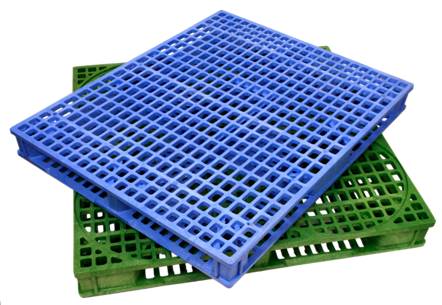
- Material handling: pallets, totes, bins
- Panels and structural components replacing sheet metal or wood
- Parts too large or too thick-walled to mold economically with conventional injection molding
What to include with an RFQ
Part drawing or 3D model with nominal wall callouts
Resin, if specified – or note it's open
Annual volume and expected program life
Cosmetic/paint/texture requirements
Timeline or due date
Have a large part and a tooling budget question? That's the normal starting point for structural foam. Upload the drawing, resin, annual volume, and timeline through the RFQ form or call (585) 393-4999. We'll review it against the process variations above and tell you what the geometry supports.
Frequently Asked Questions
How much lighter is a structural foam part than a solid molded part?
Typical weight reductions are 8 to 15 percent, with a solid skin and a cellular core. The bigger wins are usually rigidity per pound and sink elimination on thick walls.
Why is structural foam tooling often cheaper?
Injection pressures are much lower, so aluminum tooling is often adequate instead of steel. Resin choice and lifetime volume still matter – glass-filled or abrasive materials may push you back to steel.
What wall thickness does structural foam want?
Typical wall sections are .180" to .250". Thicker sections are common but extend cycle times, which affects piece price.
The surface has a swirl – can that be fixed?
Foam parts have a characteristic surface that's often painted. Where a better as-molded surface is required, gas counter pressure molding produces a resin-rich skin – geometry permitting (flat parting lines).
Related Manufacturing Paths
Gas Assist Injection Molding | Injection Molding | Rotational Molding | Request an RFQ review